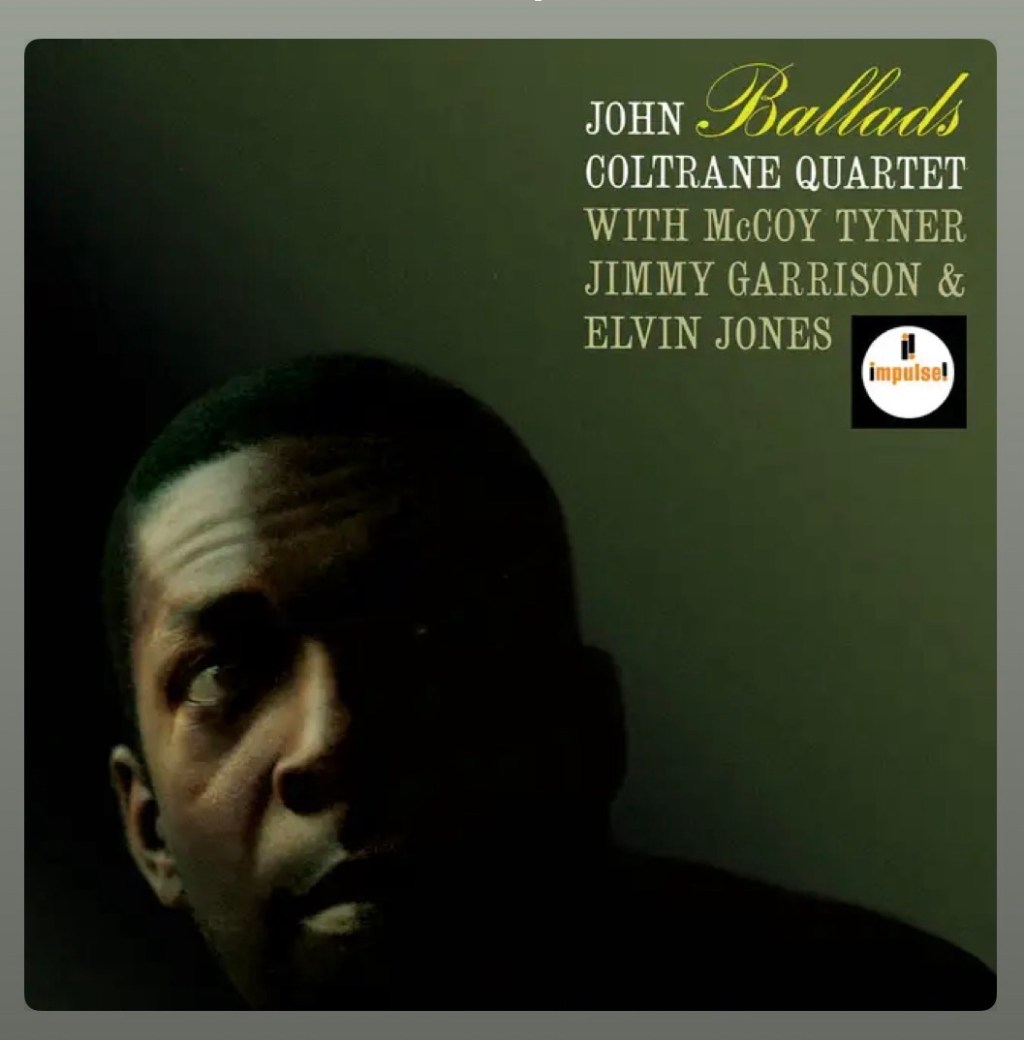
John Coltrane’s influence on jazz is defined by his relentless harmonic exploration and distinctive tone. Here is a breakdown of his musical approach and the specific context surrounding his recording of “It’s Easy to Remember.”
Coltrane’s Musical Signatures
- Sheets of Sound: Coltrane developed a technique of playing extremely fast, cascading runs of notes that sounded like sweeping sheets of sound, fundamentally changing how the saxophone was played as a solo instrument.
- Harmonic Restructuring: He pioneered “Coltrane changes,” a complex harmonic progression utilizing major third root movements, most famously demonstrated in his 1959 composition “Giant Steps.”
- The Classic Quartet: The ensemble of McCoy Tyner (piano), Jimmy Garrison (bass), and Elvin Jones (drums) became the definitive vehicle for his extended, modal explorations in the early to mid-1960s.
“It’s Easy to Remember” and the Ballads Sessions
While Coltrane was known for ferocious, marathon solos, his 1963 album Ballads demonstrated his mastery of restraint, phrasing, and melodic interpretation. “It’s Easy to Remember,” composed by Richard Rodgers with lyrics by Lorenz Hart, serves as a prime example of this lyrical approach.
Key Facts About the Recording:
- Spontaneous Sight-Reading: Critic Gene Lees noted that the quartet had never played most of the tunes on the Ballads album before arriving at the studio. They brought standard music-store sheet music, discussed the chord changes, rehearsed for about 30 minutes, and laid down the tracks—almost entirely in single takes.
- Historical Milestone: Recorded on December 21, 1961, “It’s Easy to Remember” was one of the very first two numbers captured in a studio by the fully solidified “Classic Quartet” featuring Jimmy Garrison on bass.
- Tone and Space: The track highlights Coltrane’s expressively urbane tone over his usual aggressive velocity, leaning heavily into the spaces between the notes.
Recording Detail”It’s Easy to Remember” Session DateDecember 21, 1961 StudioVan Gelder Studio, Englewood Cliffs, NJ AlbumBallads (Released January 1963) PersonnelJohn Coltrane (tenor sax), McCoy Tyner (piano), Jimmy Garrison (bass), Elvin Jones (drums)
WE&P by: EZorrillaMc&Co.

