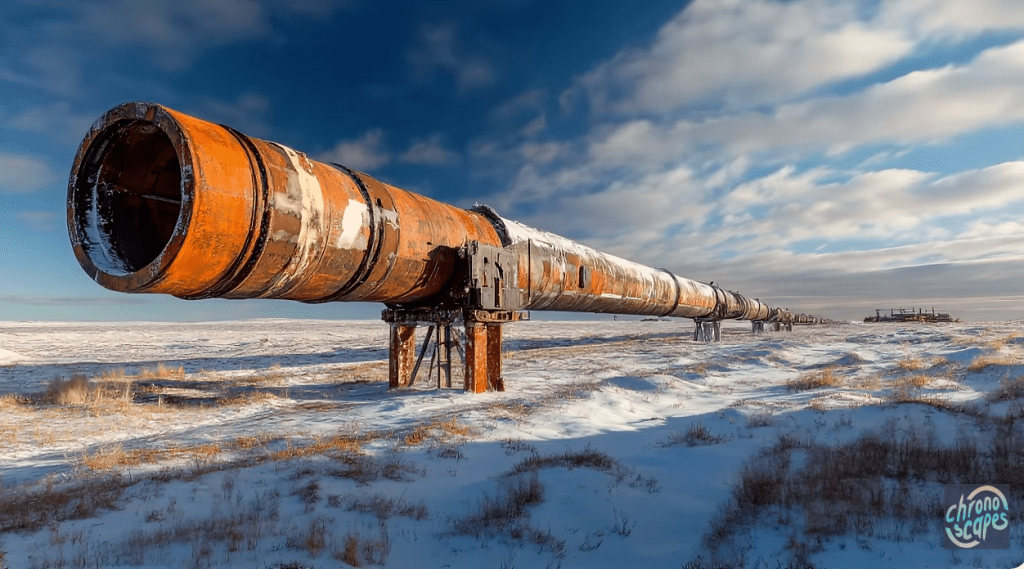
“Embark on a sonic journey through serene soundscapes. This track invites you into a realm where silence and melody intertwine, evoking mystery and calm. Let your mind wander through frozen horizons and forgotten places, where each note feels like a step into the quiet beauty of the unknown.” Chronoscapes.
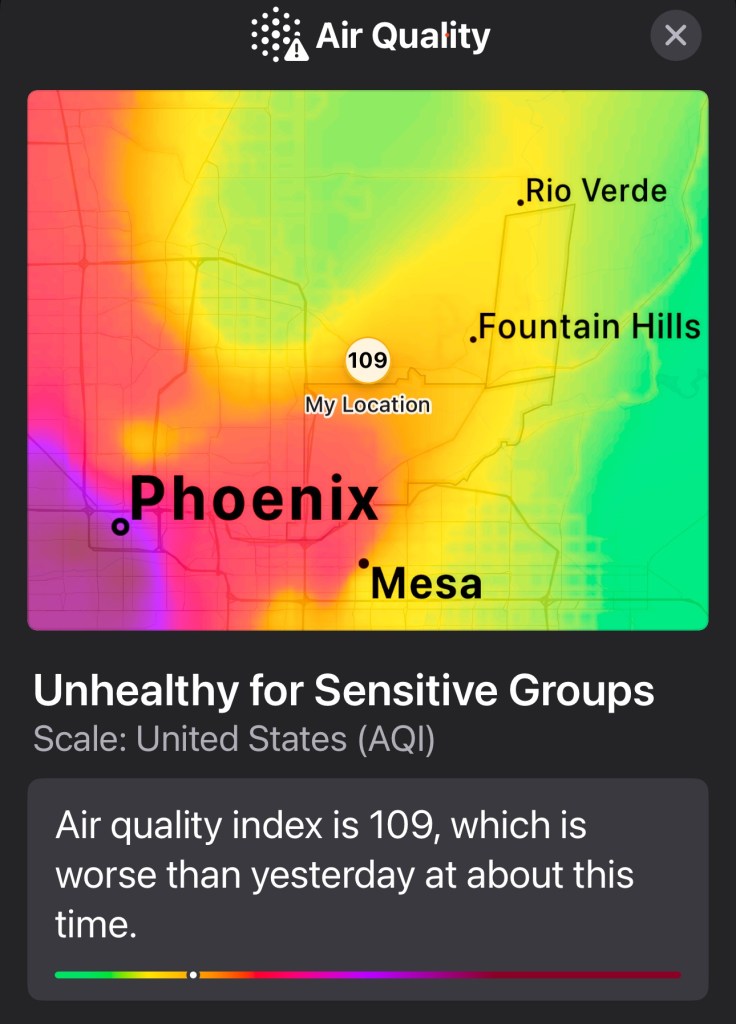
Fireworks can significantly pollute the air and affect air quality:
- Air pollutants. Fireworks release a variety of air pollutants, including:
- Toxic heavy metals Fireworks often contain toxic heavy metals, such as copper, lead, barium, chromium, vanadium, and strontium, which give fireworks their colors
- Acid rain When sulfur dioxide, nitric oxide, and particulate matter are mixed with oxygen, water, and other chemicals, they can create acid rain
- Soil and water contamination Particulate matter from fireworks can land on soil and water, altering nutrients in the soil and making surface water more acidic
The amount of pollution depends on: The size of the fireworks, How long the fireworks last, and The weather conditions.
Exposure to air pollution from fireworks can:
- Increase the prevalence of chronic cough, phlegm, and breathlessness
- Increase the risk of developing asthma, lung cancer, and other respiratory diseases
- Exacerbate symptoms and cause flareups for people with asthma or COPD
- Be especially dangerous for asthmatic children
Personal fireworks can be even more dangerous because the smoke stays closer to the ground.
This overview was generated with the help of AI. It’s supported by info from across the web and Google’s Knowledge.
 Travel in Life
You must be logged in to post a comment.