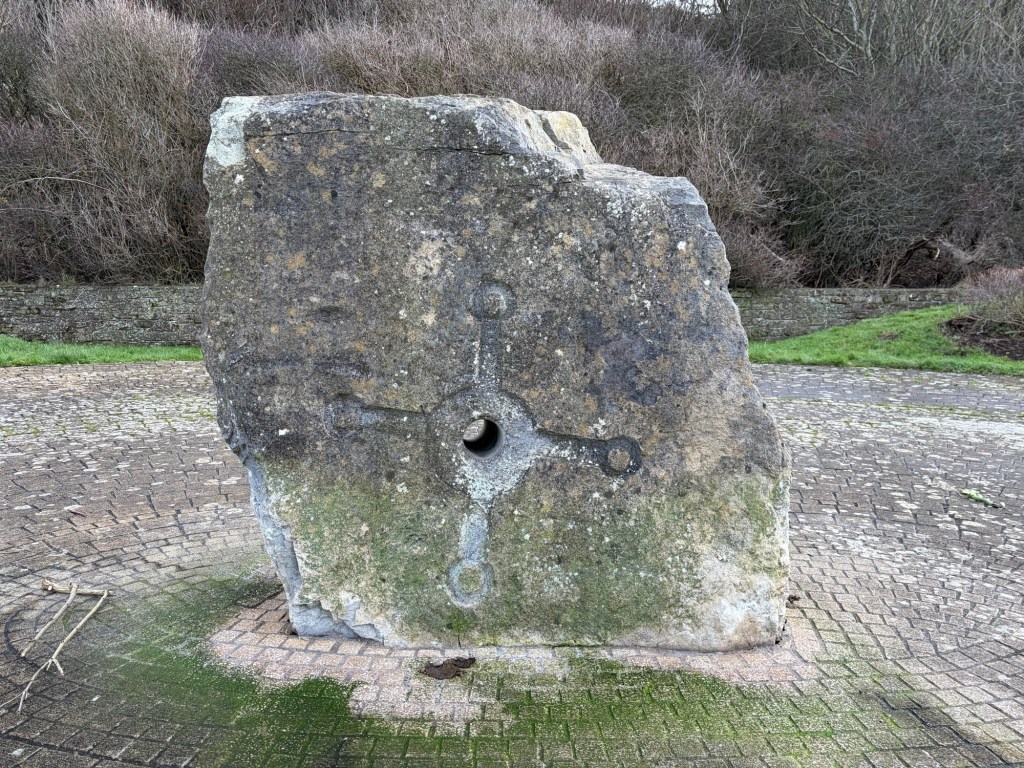
The Watchers on the Edge of the World
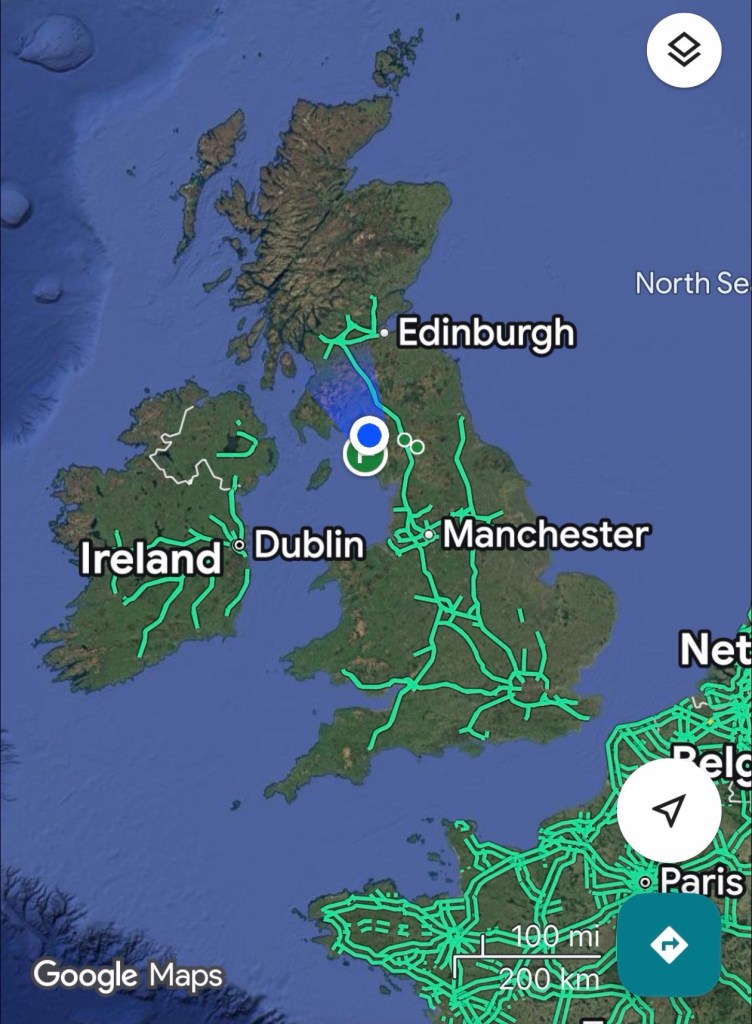
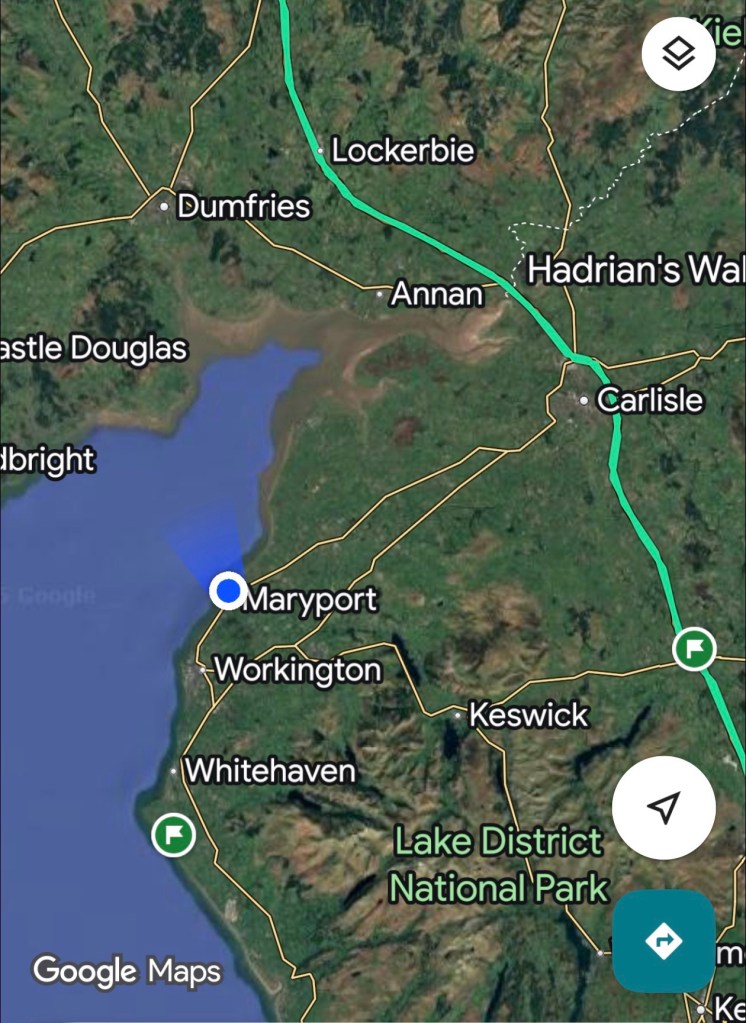
To the soldiers of the Cohors I Hispanorum, the posting at Alauna (modern-day Maryport) felt like the very end of the earth.
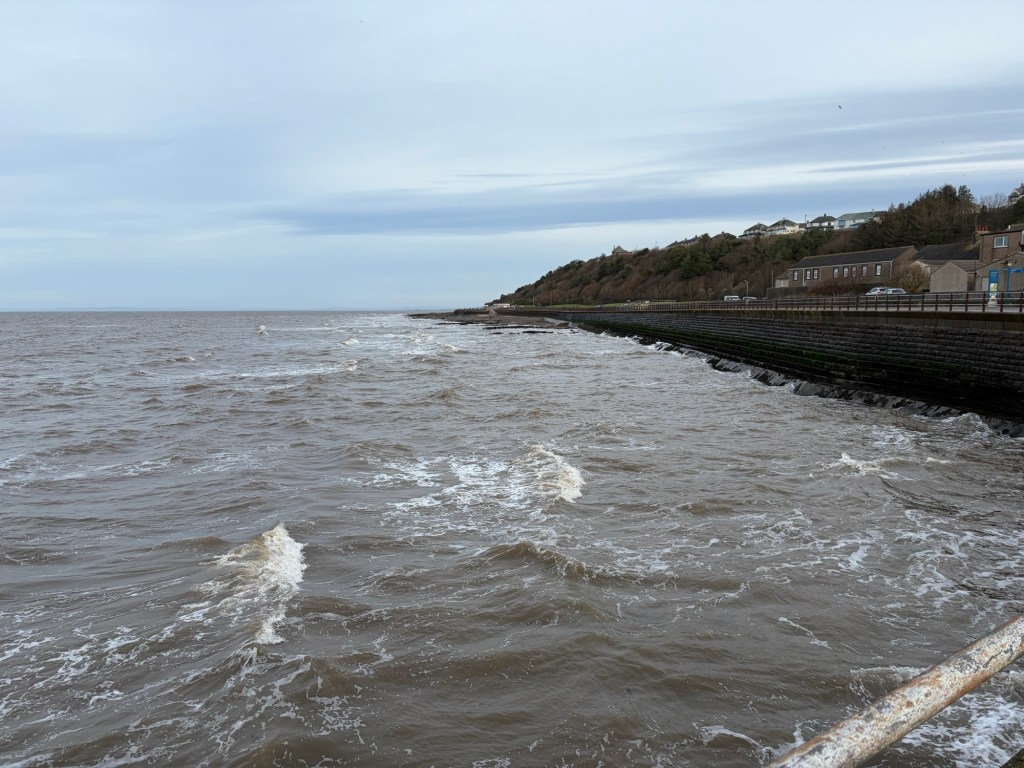
Perched on the high sandstone cliffs overlooking the Solway Firth, the fort was not merely a barracks; it was a statement of defiance. To the north lay the wild lands of Caledonia (Scotland), and to the west, across the gray, churning Irish Sea, lay the mysterious island of Hibernia (Ireland), a land the Eagle had never landed upon.
The narrative of Maryport is one of discipline amidst the gale. While the great Hadrian’s Wall to the north was a static barrier of stone, the Cumbrian coast was a dynamic frontier of sea and salt.
The Ritual of the Stones
The most defining moment for the garrison at Alauna wasn’t a battle, but a yearly ritual. Every year, the commander—perhaps the famous Marcus Maenius Agrippa, a personal friend of Emperor Hadrian—would lead his troops onto the parade ground.
There, under the whipping wind, they would dedicate a new altar to Jupiter Optimus Maximus (Jupiter the Best and Greatest) to renew their vows of loyalty and safety for the Emperor. These were not small trinkets; they were massive, heavy blocks of red sandstone, intricately carved with inscriptions.
But what makes Maryport unique in the entire Roman Empire is what they did next.
Instead of discarding the old altars from previous years, or crushing them for road fill, the soldiers treated them with immense reverence. They dug deep pits and carefully buried the old altars in rows. It was a grave for prayers. They believed that once an object was consecrated to a god, it belonged to that god forever. You could not destroy it; you could only return it to the earth.
The Legacy in the Soil
For three hundred years, the Romans held the line. They built a civilian settlement (vicus) outside the walls, where traders, wives, and children lived, creating a bustling cosmopolitan town on the cold Cumbrian coast. People from Spain, North Africa, and the Danube mingled in the markets of Alauna.
Then, the Empire receded. The legions marched south, and the lights of Alauna went out. The stone fort was cannibalized to build local farmhouses, and eventually, the planned town of Maryport in the 18th century.
However, the pits remained undisturbed.
It wasn’t until the 1870s that huge caches of these altars were discovered, perfectly preserved in the soil. Today, Maryport houses the largest collection of Roman military altars in Britain. They stand as a silent testimony to the men who stood on those windy cliffs 1,800 years ago—men who, despite being on the terrifying edge of the known world, took the time to carve their faith into stone and bury it for eternity.
WE&P by: EZorrillaMc&Co


You must be logged in to post a comment.