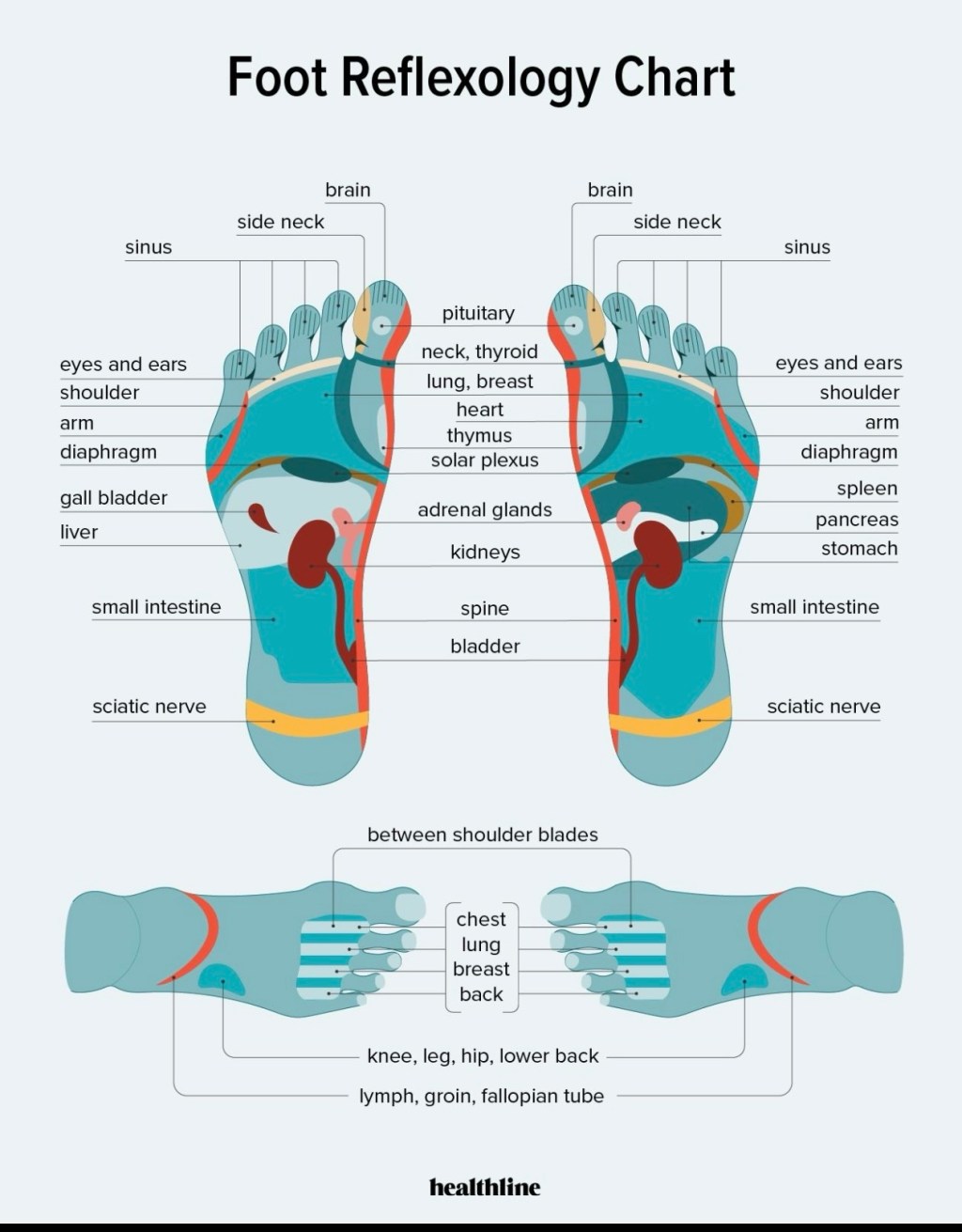
A fresh look at what the science says about reflexology — a gentle, relaxing practice often used for comfort, but with important caveats.
Evidence overview
• According to the National Center for Complementary and Integrative Health (NCCIH), reflexology is the application of pressure to specific points on the feet or hands that are believed to correspond to other parts of the body. They note that while it is claimed to promote relaxation and healing, those claims “have not been proven.”
• The NCCIH mentions small studies showing potential benefit for some symptoms (for example, a tingling or burning sensation in people with Multiple Sclerosis), but emphasises that the evidence is limited and not sufficient to support reflexology as a standalone treatment.
• On safety, the NCCIH reports that reflexology (and related therapies like massage) appear to have few risks if performed by a trained professional and used appropriately — but cautions apply.
Independent review (Australia)
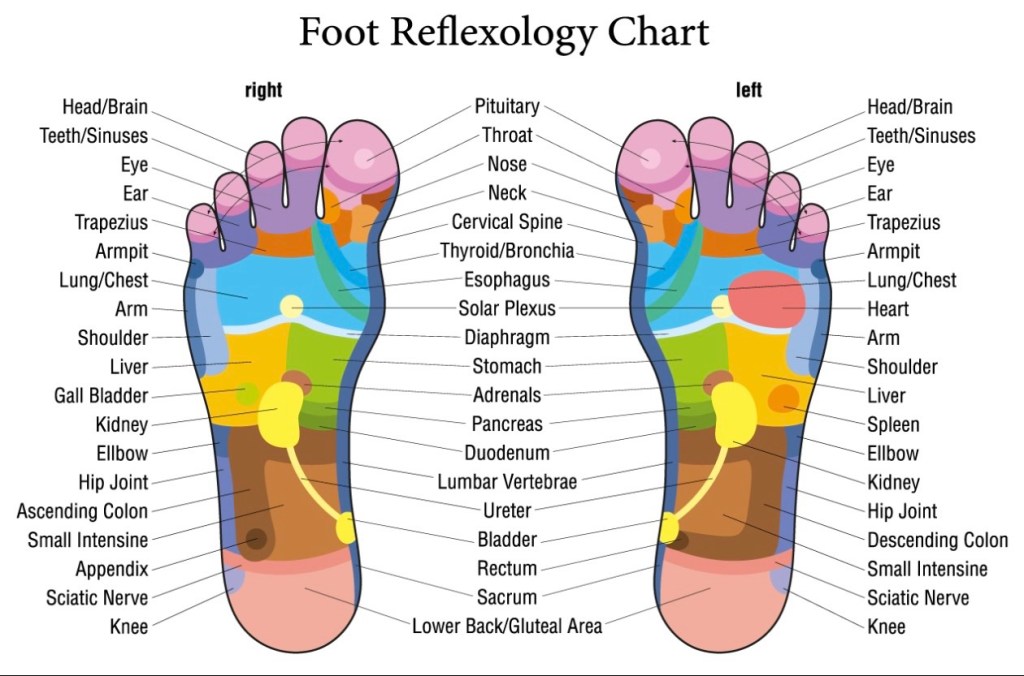
• Under the Natural Therapies Review 2024 by the Australian Government (via the National Health and Medical Research Council), the evidence for reflexology was evaluated across lots of trials.
• Their conclusions: the body of evidence is of low or very low certainty for almost all outcomes (pain, sleep quality, fatigue, emotional / mental health, quality of life). They specifically say: “Despite a large body of trials… we are uncertain about the effects of reflexology because of serious concerns about how the studies were designed, conducted and reported.”
• In short: the review recommends caution in making clinical claims—for reflexology or expecting definite benefits.
Practical traveller self‑care guidance
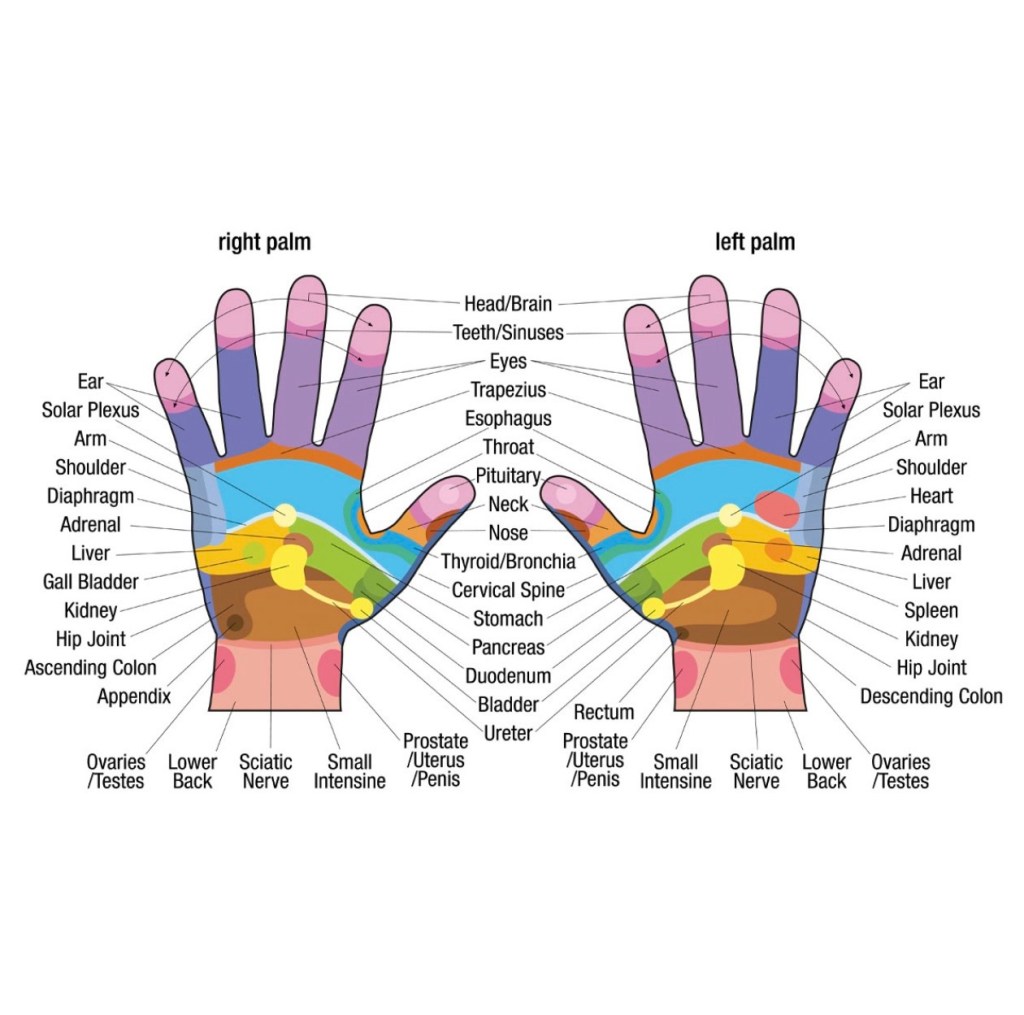
Here’s a conceptual sequence — not a substitute for medical advice — that aligns with general safety guidance and could work as a soothing practice:
Use a glide oil or cream on the soles of your feet (or hands) to ease friction. Apply lighter pressure and press in sequence: Diaphragm line: under the ball of the foot, across the width. Solar plexus point: centre under the ball of the foot. Arch sweep: a gentle sweep through the foot arch (linked with digestive relaxation). Heel ring: circle‑like motion around the heel (often associated with pelvic/grounding). Always consult your clinician if you have: circulatory problems, foot injuries, neuropathy (reduced sensation), or if you’re pregnant (some reflexology points may be contraindicated). Treat this as comfort/supportive care, not as a substitute for medical treatment. The evidence supports comfort but does not support using reflexology alone to treat major medical conditions.
My takeaway for us
If you’re on the road and tired, restless, or dealing with sore feet, reflexology‑style self‑care can be a good supportive tool — especially for helping with relaxation, sense of grounding, and mild discomfort.
But:
It’s best treated as complementary to whatever healthcare or rest you’re already doing. Don’t expect it to fix serious underlying issues on its own. Use it with awareness: if something feels off or you have risk factors (e.g., neuropathy, circulation issues), scale it back and check in.
WE&P by: EZorrillaMc&Co.
 Travel in Life
You must be logged in to post a comment.