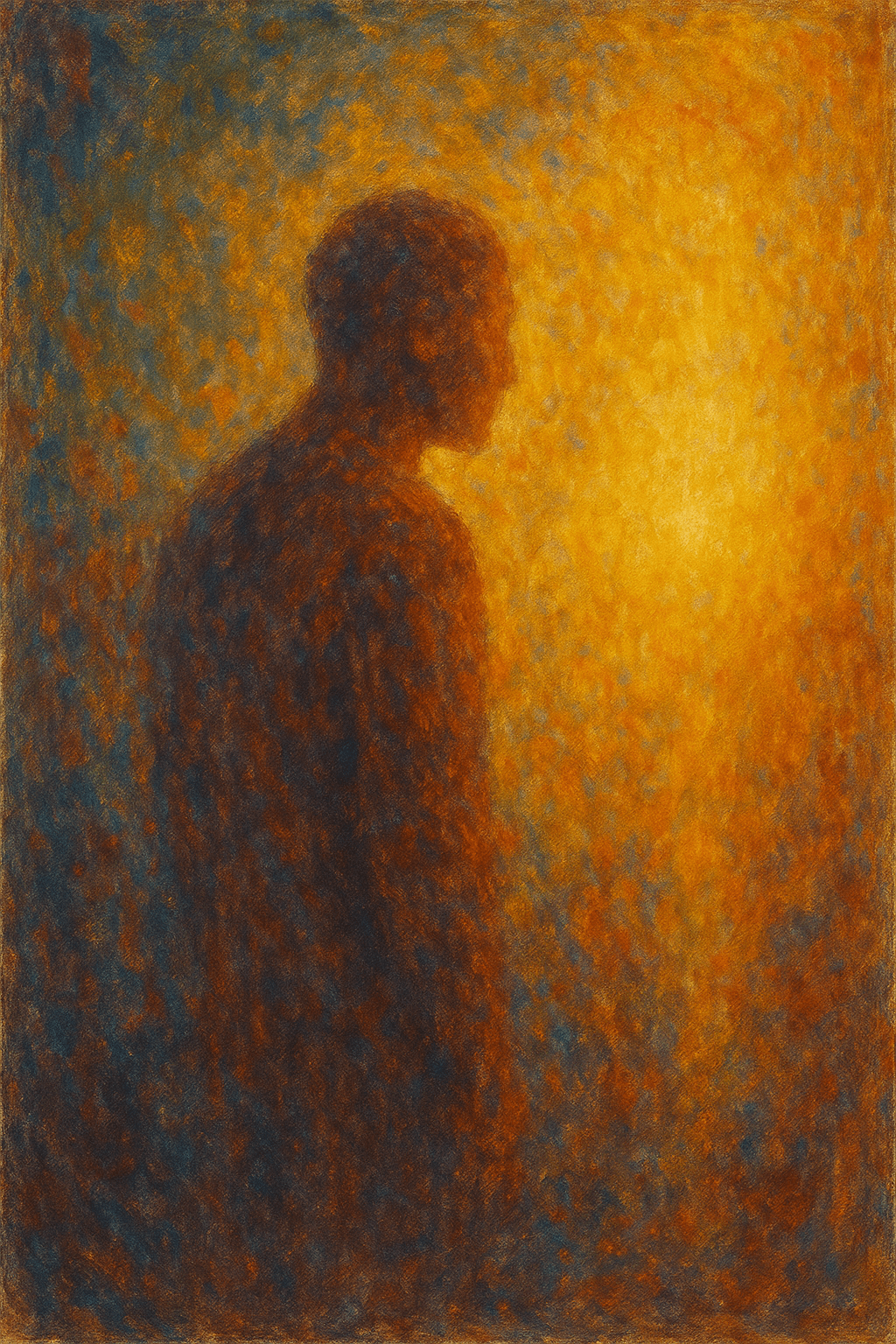
A Minute Novella by Eugenio Zorrilla
Part I — Recognition
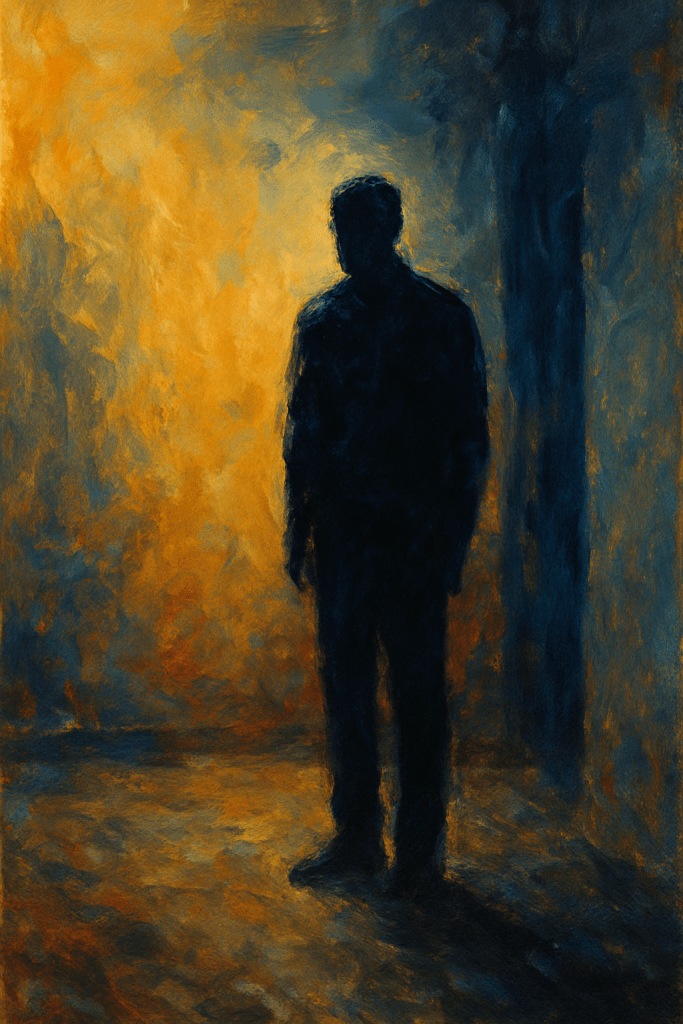
It began quietly, as most reckonings do.
The first clues were subtle — a morning where the body resisted its own rising, a conversation where his words felt half a step behind his thoughts. He still laughed easily enough, but the laughter came from a place slightly farther away, as though the sound had to travel back through time to reach him.
He called it fatigue, but he knew better. There was something rearranging itself inside him, something older than medicine and slower than reason. The doctor’s numbers — testosterone, cholesterol, blood pressure — were only surface ripples on a deeper sea.
At night, he caught himself staring at the ceiling fan, mesmerized by its lazy circling. It seemed to know something he didn’t — how to move without going anywhere.
And in that stillness, a question formed:
“What if I’m not losing energy — only losing urgency?”
He remembered the boy he had been — fierce, restless, measuring life in conquests and deadlines.
The man he was becoming measured by other things now: ease, grace, continuity. The boy had wanted victory. The man wanted clarity.
When sleep came, it was thinner, but the dreams were richer. They brought faces from long ago — friends, rivals, lovers — all standing by some invisible shore, calling not for return but for integration.
He woke with a strange calm.
Recognition was not defeat.
It was the first moment he stopped fighting gravity and began listening to it.
Part II — Rebalancing
The mornings grew slower, but not duller.
He began to notice the texture of time — the way light gathered on the counter before the kettle clicked, the way Rollo’s paws made small, deliberate sounds on the tile.
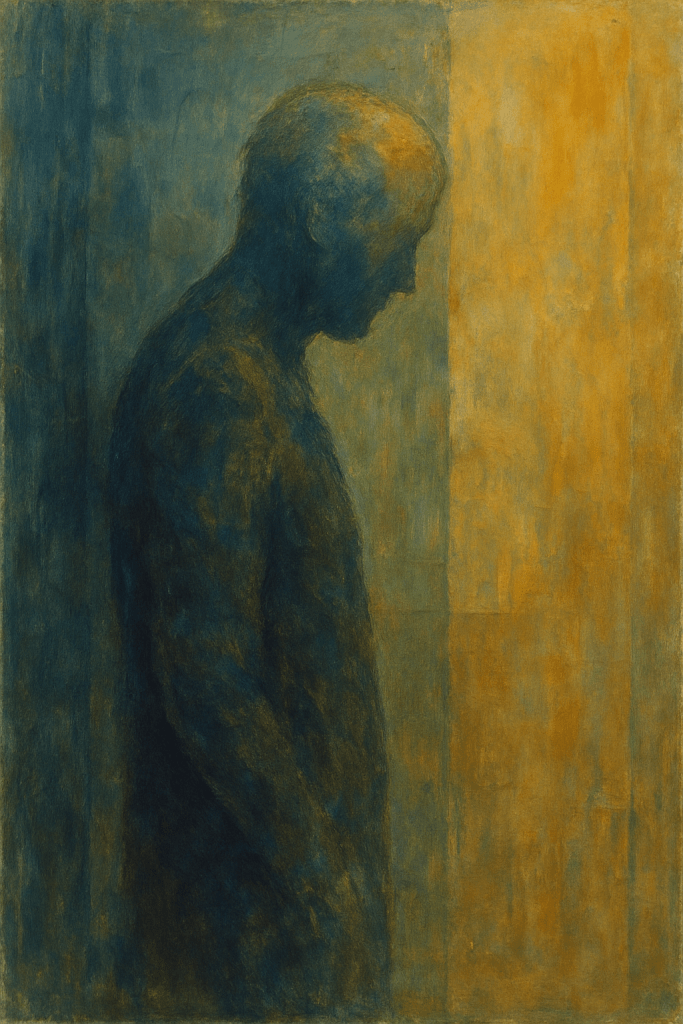
He no longer chased the day.
He invited it.
He’d cut back on coffee.
He’d added stretching before writing, long walks afterward. It wasn’t a plan so much as a quiet correction — a tide finding its proper level again.
The old urgency still visited sometimes, that inner drum demanding proof of worth.
But now he smiled at it the way one greets an old friend who no longer commands the room.
“Thank you for getting me this far,” he would think,
“but I’ll take it from here.”
At first, it felt like surrender.
Then he realized it was balance.
The muscles softened, but the senses sharpened. He began to feel the day through his skin rather than against it.
Meals became smaller, but conversations deeper.
When he looked in the mirror, he didn’t see the man he’d lost; he saw the man emerging from beneath the armor — leaner, slower, but clearer.
He no longer asked, what have I done?
He asked, what still calls to me?
That question rearranged his desk, his diet, even his sentences. His writing grew less like an argument and more like a conversation with the unseen.
Sometimes, when he walked at dusk and felt that faint ache in his knees, he understood it wasn’t pain — it was presence.
His body reminding him he was still here.
Part III — Renewal
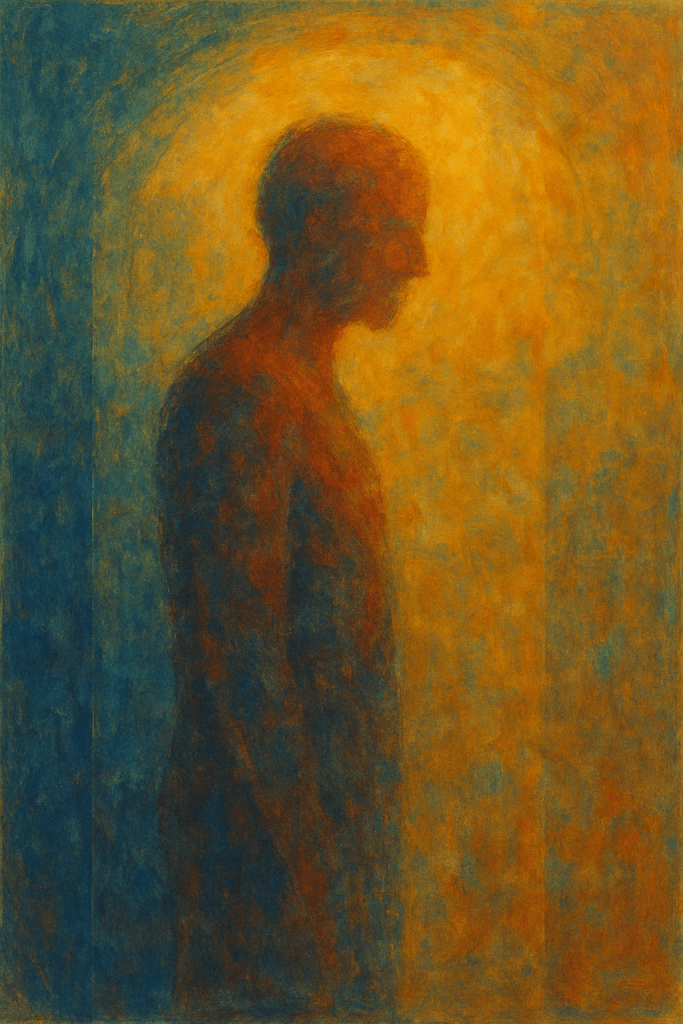
One morning he woke before dawn, not from restlessness, but from readiness.
The air was still, the world unmade for a moment.
He stood by the window, holding his coffee, and felt something rise in him — not ambition, not yearning, but aliveness.
It had been waiting there all along, beneath the noise and striving, a pilot light under the ash.
He had thought renewal meant a return — to youth, to passion, to what was once easy.
Now he knew better.
Renewal was not a rewind; it was a re-composition.
The same notes, rearranged into a new harmony.
He began to write again, but differently. The words no longer marched; they meandered, they listened. They carried weight not from volume but from truth. He wrote about men who had learned to stop fighting the tide, about women who remembered their own wildness, about aging not as decay but as distillation.
He found that his energy, though gentler, lasted longer.
Desire returned too — not urgent, but steady, like a river finding its course.
The body, once a battlefield, had become a companion again.
Sometimes he’d laugh for no reason. Other times he’d cry at small things — a dog’s trust, a song from long ago. But he didn’t apologize for either. Emotion was no longer something to manage; it was the proof of life continuing to move through him.
He walked at twilight, the sky rinsed in rose and amber, Rollo trotting ahead. The world was aging with him — and somehow that made it more beautiful, not less.
“I used to chase the fire,” he thought.
“Now I carry it.”
He didn’t fear the quiet anymore.
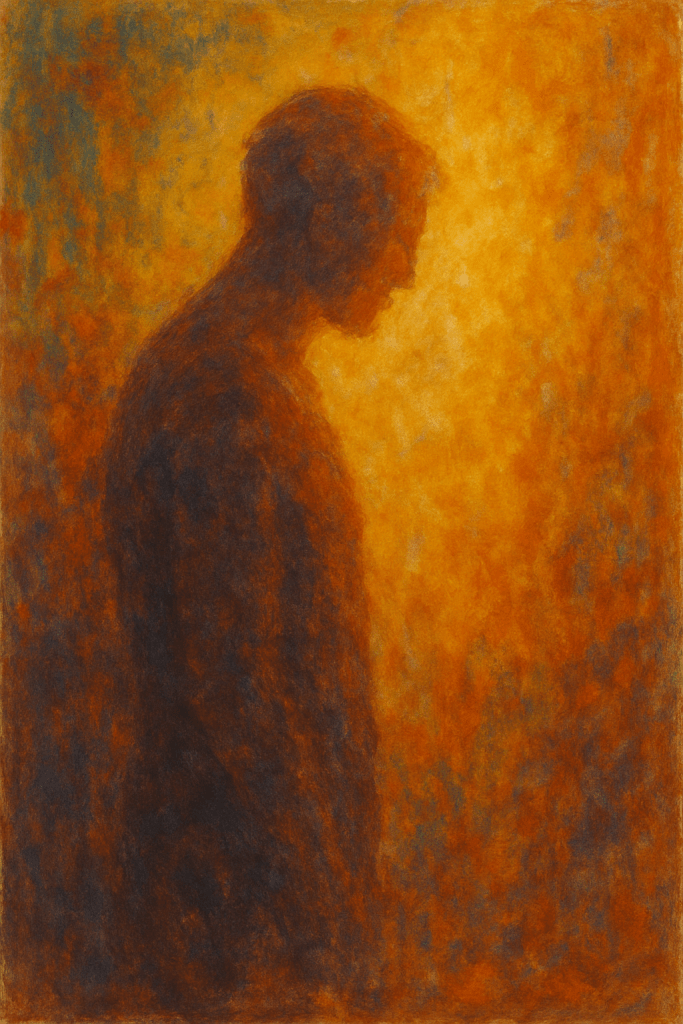
It was the sound of balance achieved —
and of beginnings disguised as endings.
Coda — The Gentle Radiance
There are seasons the body forgets until the soul remembers.
Recognition taught him honesty.
Rebalancing taught him peace.
Renewal taught him grace.
And together they whispered, not of decline, but of continuance.
He had not lost his fire —
he had simply learned to tend it with gentler hands.

WE&P by: EZorrillaMc.
 Travel in Life
You must be logged in to post a comment.