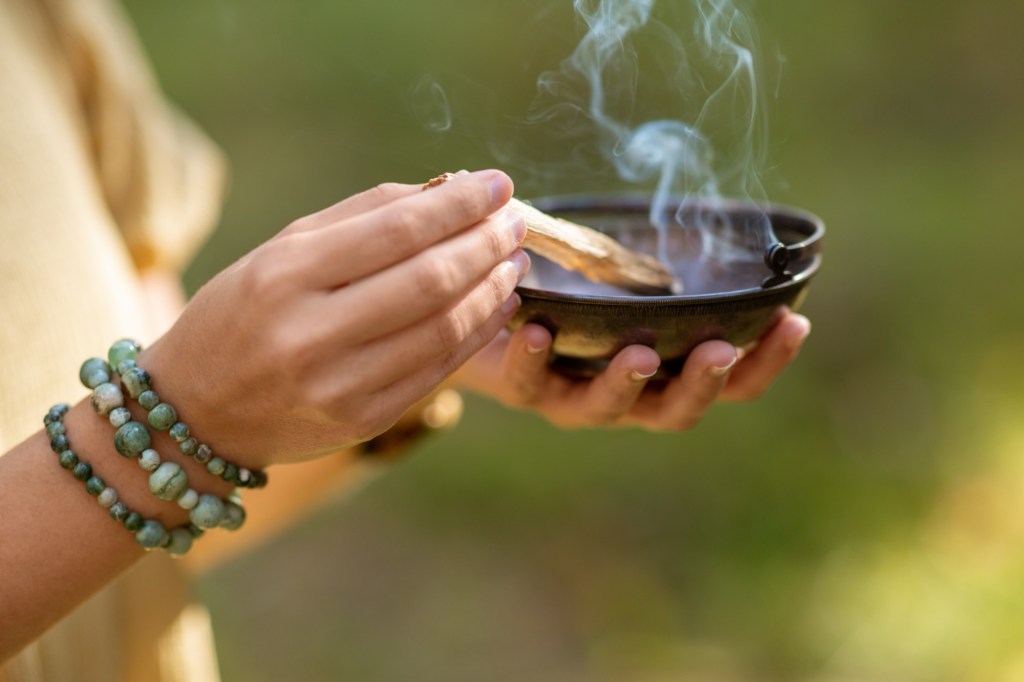
Across the globe and throughout history, a rich tapestry of non-monotheistic religions has shaped cultures and societies. These belief systems, both thriving and long-vanished, offer diverse understandings of the divine, with intricate pantheons and unique rituals of adoration. Here is an exploration of some of the most significant non-monotheistic religions, their deities, and their practices.
Active Non-Monotheistic Religions
Hinduism
A diverse and ancient tradition, Hinduism is predominantly characterized by henotheism, the worship of a single primary deity without denying the existence of others.1
- Deities: The principal deities are the Trimurti: Brahma (the creator), Vishnu (the preserver), and Shiva (the destroyer).2 Alongside them are numerous other gods and goddesses, including Devi, the mother goddess in her various forms (e.g., Durga, Kali, Lakshmi, and Saraswati), Ganesha, the remover of obstacles, and Hanuman, the monkey god.3 Many Hindus believe in a single, ultimate reality, Brahman, which is manifested through these various deities.4
- Rituals of Adoration: Worship, known as puja, is a central practice and can be performed in temples or at home shrines.5 Rituals often involve making offerings of flowers, fruits, incense, and light to murtis (consecrated images of deities). Chanting of mantras, devotional songs (bhajans), and scripture readings are also common.6 Major festivals like Diwali (the festival of lights) and Holi (the festival of colors) are celebrated with great enthusiasm and specific rituals dedicated to various deities.7
Shintoism
The indigenous religion of Japan, Shintoism, is an animistic faith that reveres a multitude of divine beings.8
- Deity: The central figures in Shinto are the kami, which are spirits or deities that inhabit natural objects, geographical features, and even abstract concepts.9 Amaterasu Omikami, the sun goddess, is the most prominent kami and is considered the ancestress of the Japanese imperial family.10
- Rituals of Adoration: Worship takes place at shrines (jinja), which are often located in places of natural beauty.11 Rituals involve purification with water, making offerings of rice and sake, and prayers.12 A distinctive feature is the clapping of hands to attract the attention of the kami. Festivals, known as matsuri, are held throughout the year to honor specific kami and often involve processions with portable shrines (mikoshi).13
Buddhism
While some branches of Buddhism are non-theistic, others incorporate a pantheon of celestial beings.14
- Deity: Theravada Buddhism, the oldest school, does not focus on the worship of gods.15 However, Mahayana and Vajrayana Buddhism recognize a vast array of Buddhas and bodhisattvas (enlightened beings who delay their own nirvana to help others), who are revered and sought for guidance and inspiration.16 These include Amitabha Buddha, Avalokiteshvara, and Tara.
- Rituals of Adoration: Devotional practices, often referred to as pujas, include making offerings of flowers, candles, and incense at altars.17 Chanting of sutras and mantras is a common form of veneration.18 Pilgrimages to sacred sites associated with the Buddha’s life are also important. The goal of these practices is not to appease a creator god, but to cultivate positive qualities and connect with the enlightened nature within oneself.19
Jainism
An ancient Indian religion, Jainism is non-theistic, focusing on the path to liberation through non-violence and self-control.
- Deity: Jains do not worship a creator god.20 Instead, they revere the Tirthankaras, 24 enlightened beings who have achieved liberation and serve as spiritual guides.21 Mahavira is the most recent Tirthankara.22
- Rituals of Adoration: Devotional practices are directed towards the Tirthankaras.23 Rituals include visiting temples, bathing and anointing the images of the Tirthankaras, and making offerings of rice, flowers, and sandalwood. The primary focus is on emulating the virtues of the Tirthankaras to advance on the spiritual path.
Yoruba Religion
Originating in West Africa, the Yoruba religion has a complex cosmology with a supreme being and numerous intermediaries.24
- Deity: The supreme creator god is Olodumare, who is considered remote and not directly worshipped. Instead, practitioners interact with a pantheon of Orishas, who are emanations of Olodumare and govern various aspects of nature and human life.25 Prominent Orishas include Ogun (god of iron and war), Sango (god of thunder), and Yemoja (goddess of the sea and motherhood).26
- Rituals of Adoration: Worship involves offerings of food, drink, and animal sacrifice to the Orishas at their respective shrines. Drumming, singing, and dancing are integral to ceremonies, often leading to spirit possession where an Orisha is believed to enter the body of a devotee.27 Divination, particularly through the Ifa system, is used to communicate with the Orishas.2
Eradicated or Extinct Non-Monotheistic Religions
Ancient Egyptian Religion
The religion of ancient Egypt was a complex system of polytheistic beliefs and rituals that evolved over thousands of years.29
- Deities: The Egyptian pantheon was vast and included gods and goddesses with both human and animal characteristics.30 Major deities included Ra, the sun god; Osiris, the god of the afterlife; Isis, the goddess of magic and motherhood; Horus, the sky god and protector of the pharaoh; and Anubis, the god of mummification.3
- Rituals of Adoration: Religious practices were centered around temples, which were considered the homes of the gods. Priests performed daily rituals of clothing, feeding, and anointing the statues of the deities. Festivals, such as the Opet Festival and the Beautiful Feast of the Valley, involved grand processions and public celebrations. The elaborate process of mummification was a key ritual aimed at ensuring a successful journey to the afterlife.
Ancient Greek Religion
The religion of ancient Greece was characterized by a pantheon of anthropomorphic gods and goddesses who personified natural forces and human qualities.
- Deities: The twelve Olympian gods, residing on Mount Olympus, were the most prominent.32 These included Zeus, the king of the gods and ruler of the sky; Hera, his wife and the goddess of marriage; Poseidon, the god of the sea; Athena, the goddess of wisdom and warfare; and Apollo, the god of music and prophecy.33
- Rituals of Adoration: Worship took place at temples and altars. The central ritual was animal sacrifice, where a portion of the animal was burned as an offering to the gods, and the rest was consumed by the worshippers. Votive offerings of statues, pottery, and other valuables were also common. Athletic competitions, such as the Olympic Games, were held in honor of the gods.34
Ancient Roman Religion
Roman religion was heavily influenced by the Greeks, but also incorporated elements from Etruscan and other local traditions.35
- Deities: The Roman pantheon mirrored the Greek one, with Roman names for the deities. Jupiter was the equivalent of Zeus, Juno of Hera, Neptune of Poseidon, and so on.36 The Romans also had a strong tradition of household gods, known as the Lares and Penates, who were worshipped in domestic shrines.37
- Rituals of Adoration: Roman religious practices were highly formulaic and contractual. Rituals, known as sacra, were performed by priests to maintain the pax deorum (the peace of the gods). Animal sacrifice was a key component of public ceremonies. Divination, particularly the reading of animal entrails (haruspicy) and the observation of the flight of birds (augury), was used to discern the will of the gods.
Norse Paganism
The pre-Christian religion of the Scandinavian peoples was a polytheistic faith with a rich mythology.38
- Deities: The Norse pantheon was divided into two main groups: the Aesir, associated with war and governance, and the Vanir, associated with fertility and nature.39 Key deities included Odin, the Allfather and god of wisdom and war; Thor, the god of thunder and protector of humanity; and Freyja, the goddess of love and fertility.40
- Rituals of Adoration: Worship often took place in natural settings like sacred groves and at stone altars. Rituals included sacrifices, known as blóts, which could involve animals or, in some accounts, humans.41 Feasting and the drinking of sacred mead were also important parts of religious ceremonies.
Mesopotamian Religions
The ancient civilizations of Sumer, Akkad, Babylonia, and Assyria shared a common religious framework.42
- Deities: The Mesopotamian pantheon was extensive, with each city-state having its own patron deity.43 Some of the most significant deities included Anu, the sky god; Enlil, the god of wind and storms; Enki (or Ea), the god of water and wisdom; and Inanna (or Ishtar), the goddess of love and war.44
- Rituals of Adoration: Temples, known as ziggurats, were the centers of religious life. Priests performed daily rituals and made offerings of food and drink to the cult statues of the gods. Festivals, often tied to the agricultural cycle, were celebrated with music, feasting, and processions.45
Aztec Religion
The religion of the Aztec civilization of Mesoamerica was a complex system of beliefs that included a vast pantheon and elaborate rituals.46
- Deities: The Aztecs worshipped numerous gods and goddesses, many of whom required human sacrifice.47 Key deities included Huitzilopochtli, the god of war and the sun; Tlaloc, the god of rain and fertility; and Quetzalcoatl, the feathered serpent god of wind and learning.48
- Rituals of Adoration: The most infamous aspect of Aztec worship was human sacrifice, which was believed to be necessary to nourish the gods and maintain cosmic order.49 Rituals were often performed at the top of large temple-pyramids. Other forms of worship included offerings of food, incense, and precious goods.
Inca Religion
The Inca Empire of the Andes had a state religion that venerated a pantheon of gods connected to the natural world.50
- Deity: The most important deity was Inti, the sun god, who was considered the ancestor of the Inca emperors.51 Other significant deities included Viracocha, the creator god; Illapa, the god of thunder; and Pachamama, the earth mother.52
- Rituals of Adoration: Worship involved prayers, fasting, and offerings of food, coca leaves, and textiles. Animal sacrifice, particularly of llamas, was common.53 In some instances, human sacrifices, known as capacochas, were performed, often involving children, to appease the gods during times of crisis.
This overview provides a glimpse into the vast and varied world of non-monotheistic religions, each with its unique understanding of the divine and its own rich traditions of worship and adoration.
For the last generation of followers of the traditional Roman religion, the late 4th and early 5th centuries were a period of profound and often distressing transformation. Born into a world where the ancient gods had been worshipped for over a millennium, they witnessed the systematic dismantling of their faith by a newly dominant and increasingly assertive Christian Roman state. Their experience was one of escalating pressure, loss, and a desperate struggle to maintain their ancestral traditions in the face of overwhelming change.
A World Turned Upside Down: The Legislative Assault
The shift began in earnest after Constantine’s conversion but accelerated dramatically under emperors like Gratian and Theodosius I. For the last adherents of the old ways, this was experienced as a legislative strangulation of their religious life.
- Withdrawal of State Support: A critical blow was the cessation of state funding for pagan priesthoods and rituals. The Vestal Virgins, once a cornerstone of Roman spiritual life, lost their state-sponsored privileges and property. This not only diminished the prestige of the traditional cults but also crippled their ability to function.
- The Altar of Victory: A symbolic flashpoint was the removal of the Altar of Victory from the Senate House in Rome in 382 CE. The altar, where senators had for centuries sworn oaths to Rome and its gods, represented the deep connection between the empire’s success and its religious traditions. The esteemed senator Quintus Aurelius Symmachus made an eloquent plea for its restoration, arguing for religious tolerance and the preservation of ancient customs that had served Rome well. He famously wrote, “We ask, then, for peace for the gods of our fathers and of our country. It is just that all worship should be considered as one…What difference does it make by what pains each seeks the truth?” His appeal was powerfully rebutted by the influential Bishop Ambrose of Milan and ultimately rejected by the emperor, signaling that the old ways no longer had a place in the official life of the empire.
- The Theodosian Decrees: The final, decisive blow came with the Theodosian decrees in 391 and 392 CE. These edicts effectively outlawed paganism. Visiting temples, performing sacrifices (even private ones), and any form of traditional worship were declared illegal and punishable by severe penalties. For the last generation of followers, this meant their deeply held beliefs were now criminal acts.
The Fate of Temples and Statues: Desecration and Transformation
The physical landscape of the empire, once dominated by magnificent temples, was irrevocably altered. The followers of the old religion witnessed the desecration and destruction of their most sacred sites.
- Destruction and Neglect: Emboldened by imperial legislation and fiery sermons from bishops, Christian mobs, often led by monks, took it upon themselves to attack and demolish pagan shrines and temples. The magnificent Serapeum in Alexandria, a major center of pagan worship and learning, was famously destroyed in 391 CE. In many other places, temples were simply abandoned as their priests fled and congregations dwindled. Left to the elements, they fell into ruin.
- Transformation into Churches: Many temples were not destroyed but repurposed. Their solid construction made them ideal for conversion into churches. The Pantheon in Rome is a famous example, rededicated as a church in the 7th century. This practice served a dual purpose: it provided the Christian community with ready-made places of worship and symbolized the triumph of Christianity over paganism. For the remaining pagans, this was the ultimate desecration—their holy places now used to worship a god they did not recognize.
- Iconoclasm: Statues of the gods, once revered as embodiments of the divine, met a grim fate. Many were toppled and smashed in acts of iconoclasm. Their precious materials, such as bronze, gold, and ivory, were often melted down to be reused or to fill the imperial coffers. Marble statues were frequently burned in lime kilns to produce mortar for new buildings. This destruction was not just physical; it was a profound psychological blow, erasing the divine presence from public and private life.
The Experience of the Followers: From Aristocrats to the Common Folk
The experience of the last generation of pagans varied by social class and location, but the overarching theme was one of increasing marginalization.
- The Intellectual and Aristocratic Resistance: In the circles of the Roman aristocracy and intellectual elite, resistance was more subtle and philosophical. Figures like Symmachus and the historian Zosimus lamented the decline of traditional virtues and attributed the empire’s growing troubles to the abandonment of the old gods. They sought to preserve classical literature and philosophy, which were inextricably linked to their religious worldview. For them, being a pagan was a mark of their Hellenic cultural heritage in the face of what they saw as a less sophisticated new order.
- Private and Syncretic Worship: As public rituals became impossible, worship became a clandestine affair. Families would continue to honor their household gods (Lares and Penates) in the privacy of their homes. In more rural and remote areas, the old beliefs and practices persisted for much longer, often blending with the encroaching Christianity in a syncretic fashion. Local deities and nature spirits were sometimes absorbed into the veneration of local saints.
- Social and Political Consequences: For those who openly clung to the old faith, the consequences could be severe. They were often barred from holding positions in the imperial administration or the army. Accusations of practicing magic or divination—once respected arts—could lead to prosecution and even death. Socially, they became an increasingly isolated and beleaguered minority in a society that viewed their beliefs as demonic and treasonous.
The last generation of followers of the Roman religion experienced the traumatic and rapid collapse of their entire religious and cultural world. They saw their gods criminalized, their temples destroyed or converted, their statues torn down, and their communities dissolved. They were forced to choose between their ancestral faith and their safety and social standing, marking the end of a religious tradition that had defined one of history’s greatest empires.
Practicing the Roman religion today
Practicing the Roman religion today is part of a growing movement of religious reconstructionism, where individuals and groups revive ancient polytheistic traditions in a modern context. Known as Religio Romana or the Italic-Roman Neopagan Tradition, this path seeks to honor the ancient gods while adapting practices to contemporary life. The most significant adaptation, as you note, is the replacement of animal sacrifice.
Here is a guide on how one could practice the Roman Religion today, with a focus on modern alternatives to sacrifice.
Core Principles of Modern Practice
Modern worship centers on the same core concepts as the ancient religion:
- Honoring the Gods: Acknowledging the vast pantheon of Roman deities, from the great gods like Jupiter and Juno to the spirits of a specific place (genius loci) and the household gods (Lares and Penates).1
- Pietas (Duty): This is a cornerstone virtue, representing a sense of duty and reverence not only to the gods but also to one’s family, community, and ancestors.2
- Religio (Obligation): The bond between humans and the gods, maintained through correct and regular observance of rituals.
- Cultus Deorum Romanorum (Cultivation of the Gods): The active practice of worship through prayers, rituals, and offerings.3
The Modern Altar: The Lararium
For most modern practitioners, worship begins in the home at a household altar called a lararium.4 This is the sacred center for daily and monthly rituals.5
- Setup: A lararium can be a simple shelf, a small cabinet, or a dedicated table.6
- Iconography: It typically holds representations of the household protectors:
- Lares: Guardians of the family, often depicted as two dancing young men.7
- Penates: Guardians of the pantry and household provisions.8
- Genius or Iuno: The personal guardian spirit of the head of the household (male and female, respectively).
- Vesta: Goddess of the hearth and home, often represented by a perpetually burning candle or lamp.9
- Other Deities: One can also include statues or images of other gods to whom the family has a particular devotion, such as Minerva, Mars, or Venus.
The Central Question: What Replaces Sacrifice?
In ancient Rome, sacrifice (sacrificium, meaning “to make sacred”) was the central rite. It was a gift to the gods to establish and maintain a good relationship. While ancient sacrifices often involved animals, historical evidence shows that offerings of grain, wine, flowers, and incense were also extremely common and considered valid.
Modern practitioners have abandoned animal sacrifice entirely, for ethical, legal, and practical reasons. The focus has shifted to symbolic offerings that are both respectful to the gods and suitable for modern life. The key is that the offering should be a genuine gift, something of value to the giver.
Here are examples of what takes the place of sacrifice today:
1. Libations (Liquid Offerings)
This is the most common modern offering. A small amount of a liquid is poured out into a special dish (patera) on the altar or onto the earth outdoors.10 The remainder is often shared by the worshippers.
- Examples:
- Wine: Offering a good quality red wine to Jupiter or Bacchus.
- Milk: A traditional offering for household spirits and deities like Pales, the god of shepherds. A mixture of milk and honey (mulsum) is also common.
- Olive Oil: Offered to Minerva, goddess of wisdom and crafts.
- Water: Pure, clean water from a spring is a universally acceptable offering for any deity.
- Juice: Grape or other fruit juices are excellent non-alcoholic alternatives.
2. Food Offerings (Daps)
Small portions of food, especially baked goods, are presented to the gods. This often takes place during family meals, where the first plate is set aside for the household gods before anyone else eats.
- Examples:
- Bread or Special Cakes: Small, specially baked cakes (liba) made with flour and honey are a traditional offering.
- Grains: A handful of wheat, spelt, or barley offered to Ceres, the goddess of the harvest.
- Fruits: The first fruits of the season, such as apples, figs, or grapes, are a classic offering.
- Cheese and Olives: Simple, rustic foods that were staples of the Roman diet.
- Salt: A purifying element, often presented as mola salsa (salted flour), which was sprinkled on ancient animal sacrifices. A small dish of salt is a potent symbolic offering.
3. Incense and Flowers
Appealing to the senses is a key part of Roman ritual.11 Incense was seen as carrying prayers up to the heavens.
- Examples:
- Incense: Frankincense was a favorite of the Romans.12 Different resins and herbs can be burned for different deities (e.g., bay laurel for Apollo, rose for Venus).
- Flowers: Garlands or fresh-cut flowers are placed on the altar. Violets and roses were particularly popular in ancient times.
- Perfumes: Anointing a cult statue or altar with a drop of fine perfume oil.
4. Votive Offerings (Vota)
A votum is a vow made to a deity. If the god fulfills a request (e.g., for healing, success in a venture), the petitioner offers a promised gift in return.
- Modern Examples:
- Art and Craft: Creating a poem, a piece of music, a painting, or a small sculpture in honor of a god.
- Charitable Acts: Donating to a relevant charity in a deity’s name (e.g., donating to a veterans’ organization for Mars, or a library for Minerva).
- Acts of Service: Volunteering time for a cause aligned with a deity’s domain (e.g., cleaning up a local park for Diana, goddess of the wilderness).
- Symbolic Objects: Purchasing or creating a small item that represents the fulfilled vow and leaving it permanently on the altar.
By focusing on the intent behind the ancient rituals—reciprocity, reverence, and the maintenance of the divine order—modern followers of the Religio Romana can practice a vibrant and meaningful faith, fully adapted to the world of today.
A Roman Ritual for Wisdom and Gratitude
Here is a script for a modern Religio Romana ritual petitioning for wisdom and expressing gratitude.
This ritual is designed to be performed at a home altar (lararium) or any quiet, respectful space. The primary deity invoked for wisdom is Minerva, the goddess of wisdom, crafts, and strategic thought. Gratitude can be expressed to the pantheon as a whole, or to specific deities who have offered their blessings.
Deities Addressed: Minerva, Janus (as the god of beginnings and reflection), and the Household Gods.
Required Items:
- A clean, prepared altar space (lararium).
- A candle or oil lamp (to represent Vesta and the sacred fire).
- A small bowl of clean water and a pinch of salt.
- Incense (Frankincense, Sandalwood, or Bay Laurel are appropriate).
- A charcoal block and censer, or an incense stick.
- Offerings:
- A small amount of good quality olive oil for Minerva.
- Wine or grape juice for Janus.
- A food offering, such as a small cake, bread, or fruit, for the Household Gods.
- A libation dish (patera) or bowl to pour the liquids into.
The Ritual Script
(Begin by approaching your altar. Your face and hands should be clean. Take a moment to clear your mind of daily concerns and focus on the purpose of the ritual. Stand with your head covered as a sign of piety and respect, if you follow this tradition.)
1. Praeparatio (Preparation)
(Light the candle or oil lamp on the altar.)
“I come to this sacred space, pure in mind and body. May all ill influence be absent.”
(Sprinkle a pinch of salt into the bowl of water. With your fingertips, touch the salted water and lightly anoint your forehead or hands.)
“With this water and salt, I purify myself and this sacred space. May all be made clean and ready for these rites. Macte hoc rito.” (May you be blessed by this rite).
2. Praefatio (Opening the Rite)
(Light the incense. As the smoke begins to rise, raise your right hand, palm open and facing the altar.)
“I call upon Janus, two-headed opener of the ways. Look kindly upon this rite which I begin in your name. You who see what has passed and what is yet to come, open the way between myself and the gods. Be present and favorable.”
(Pour a small libation of wine or juice into the libation dish.)
“To you, Father Janus, I make this first offering. May it be pleasing to you.”
3. Immolatio (The Main Offering & Petition)
(Turn your focus to the image or symbol of Minerva. Hold the vessel of olive oil.)
“Hail Minerva, wise daughter of Jupiter, goddess of keen thought, righteous craft, and sacred art. You whose symbol is the ever-watchful owl, whose gift is the fruitful olive, I stand before you in reverence.
I give you thanks for the knowledge I have gained, for the skills I have learned, and for the moments of clarity that have guided my path. All wisdom flows from the divine, and I honor you as its great font. For these blessings, I am grateful.”
(Now, state your petition clearly and respectfully.)
“Great Minerva, I ask for your guidance. My mind is clouded with uncertainty (or state your specific problem). I petition you for wisdom. Grant me the clarity to see the right path, the strategic mind to navigate my challenges, and the insight to act with honor and skill. Help me to learn, to understand, and to build a better life through the use of my intellect.”
(Pour a libation of the olive oil into the libation dish.)
“Accept this offering, Minerva Augusta. A gift of the olive, sacred to you. May it be a worthy token of my piety and my need. Macte esto.” (Be thou magnified).
(Now, turn to the Household Gods (Lares and Penates).)*
“To the Lares and Penates, guardians of my home and hearth, I thank you for the protection and peace you provide. For the food on my table and the roof over my head, I am deeply grateful.”
(Place the food offering—the cake, bread, or fruit—on the altar.)
“To you, I offer this gift. May you continue to bless and protect this household and all who dwell within it. Macte esto.” (Be thou magnified).
4. Conclusio (Conclusion of the Rite)
(Take a moment in silent contemplation, feeling the presence of the gods. When you are ready, formally close the ritual.)
“This rite is now complete. I have spoken my prayers and made my offerings in good faith.
Father Janus, I thank you for opening the way. Minerva, I thank you for hearing my plea. Lares and Penates, I thank you for your constant watch.
Whatever I have done imperfectly in this ritual, may it be forgiven. May the gods be pleased. What is done is done. Illicet.”
(You may now extinguish the main candle or lamp, though some prefer to let it burn down safely. The offerings should be left on the altar for a short period—a few hours or until the next day—before being respectfully disposed of. Food and drink offerings are best disposed of by returning them to the earth (burying them in a garden, for instance) rather than throwing them in the trash.)
Of course. Here is a script for a ritual in the tradition of ancient Greek religion (Hellenismos) to petition for wisdom and express gratitude.
This rite is designed for a household setting, focusing on Athena as the goddess of wisdom and the Charites (the Graces) as the personification of gratitude and reciprocity. It reflects common elements of ancient Greek household worship.
A Hellenic Ritual for Wisdom and Gratitude
Deities Addressed: Hestia (Goddess of the Hearth), Athena Polias (Protector of the City, of Wisdom), and the Charites (the Graces: Aglaea, Euphrosyne, and Thalia).
Required Items:
- An altar space with images or symbols of the deities.
- A bowl of clean water and a pinch of barley groats or salt for purification (khernips).
- A candle or oil lamp representing the sacred fire of Hestia.
- Barley groats for offering.
- Incense (Frankincense is historically appropriate).
- A libation bowl (phiale) and a separate bowl to receive the libations (sphageion).
- Offerings:
- Unmixed red wine (or grape juice) for the libation.
- A small, specially baked honey cake or piece of fruit.
- A votive offering for Athena: this could be a small owl figurine, a piece of olive wood, or even a poem you have written.
The Ritual Script
(Approach the altar with clean hands and a clear mind. Wear clean, simple clothing. Bare feet are traditional as a sign of respect.)
1. Prokatarktiká (The Preliminary Rites)
(Light the candle or lamp on the altar. This act invokes Hestia, who is present at all sacrifices and rituals.)
“Hestia, first and last, eternal flame of the hearth and the city, be present and bless this rite.”
(Create the lustral water, or khernips, by dropping a pinch of salt or barley into the bowl of clean water. As you do, say:)
“As this salt/barley purifies this water, may it purify this space and all who stand within it.”
(Dip your fingers in the khernips and sprinkle it around the altar and on yourself, saying:)
“Let all that is profane be gone. Xerniptosai!” (Be ye purified!)
2. Thymiama (The Incense Offering)
(Light the incense so that the smoke rises. This is the first offering, meant to create a sacred atmosphere and carry your words to the gods.)
“May this fragrant smoke ascend, a pleasing offering to the blessed Immortals.”
3. Arkhē (The Beginning of the Main Rite)
(Take a handful of barley groats. With your right hand, scatter them onto the altar and around it, formally consecrating the space and the offerings.)
4. Kallimata kai Hymnos (Invocations and Hymn)
(Raise your hands, palms up, in the orans posture. Recite a hymn to call upon the goddess.)
“I call upon Athena, bright-eyed daughter of mighty Zeus,
Tritogeneia, born from the head of the father,
Pallas, shaker of the spear, whose shield is the aegis of power.
Polias, protector of the city, giver of the sacred olive,
Ergane, patron of the arts and crafts of humankind.
From you comes all cunning, all strategy, all brilliant thought.
Hear me, O goddess, and turn your shining eyes to my prayer!”
5. Prekhē kai Thusia (Prayer and Offering)
(Speak your prayer of gratitude first. Reciprocity, or kharis, is central. You give thanks before you ask.)
“Wise Athena, I come to you with gratitude in my heart. I thank you for the knowledge I have found, for the moments of insight that have illuminated my path, and for the strength of mind to overcome my challenges. These gifts I acknowledge as flowing from you. I thank you.”
(Now, present your petition clearly.)
“And now, great goddess, I humbly ask for your favor. I find myself facing a challenge (you can state it briefly) where the way forward is unclear. I petition you for wisdom. Lend me a portion of your divine clarity, help me to see all sides of this matter, and guide my mind toward a solution that is both clever and just. Grant me the wisdom to act rightly.”
(Place your votive offering for Athena—the figurine, wood, or poem—upon the altar.)
“For your guidance, I give you this token of my devotion. May it be pleasing to you.”
6. Spondē (The Libation)
(Hold the libation bowl (phiale) filled with wine. Your intention now expands to include gratitude as a divine principle.)
“I call upon the Charites, the shining Graces,
Aglaea, the brilliant, Euphrosyne, the joyful, and Thalia, the blooming.
Daughters of Zeus and Eurynome, who attend lovely Aphrodite,
You are the spirit of every gift given in joy. I thank you for the grace that binds mortals and gods.”
(Pour a portion of the wine from your phiale into the receiving bowl.)
“For all the blessings in my life, I pour this libation. May kharis—grace and reciprocity—flow freely.”
(Now, pour a second libation specifically for Athena.)
“To Athena, for wisdom sought and wisdom granted, I pour this libation.”
7. Conclusion
(Place the honey cake or fruit on the altar. It is common practice to share a portion of the blessed food after the rite.)
“The offerings are made, the prayers are spoken. I thank you, blessed Immortals, for your attention. May my offerings find favor in your eyes.”
(Pour one final, small libation.)
“To Hestia, first and last, this final honor is yours.”
“The rite is ended. Kharite.” (Go in grace/gratitude).
WE&P by: EZorrillaMC.
Google&GeminiSourced. Biblography on file.
 Travel in Life