
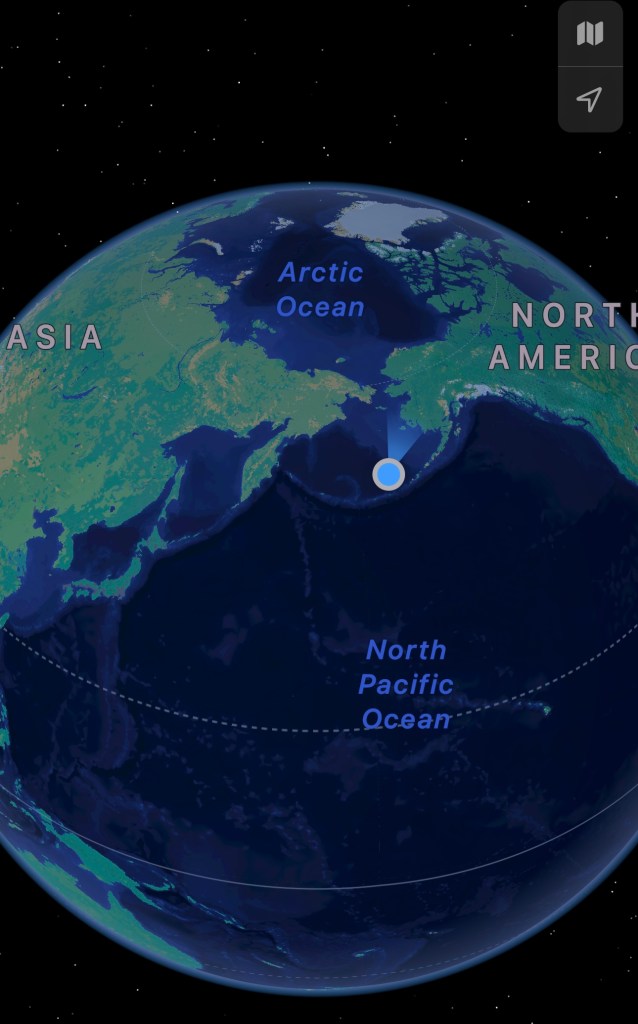
The Bering Sea is a marginal sea of the Northern Pacific Ocean. It forms, along with the Bering Strait, the divide between the two largest landmasses on Earth: Eurasia and the Americas. It comprises a deep water basin, which then rises through a narrow slope into the shallower water above the continental shelves. The Bering Sea is world-renowned for its productive and profitable fisheries, such as king crab, opilio and tanner crabs, Bristol Bay salmon, pollock and other groundfish. These fisheries rely on the productivity of the Bering Sea via a complicated and little understood food web.
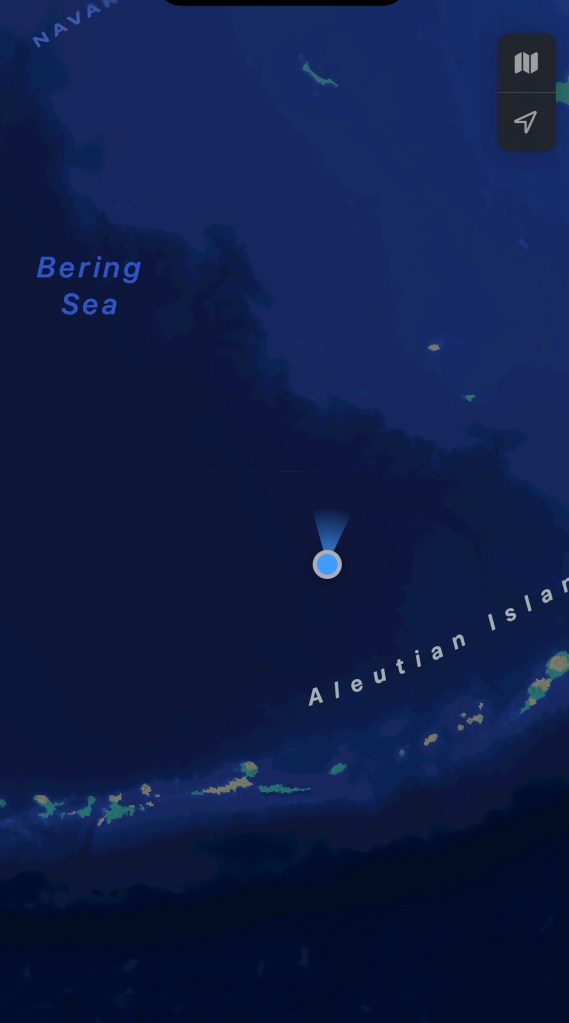
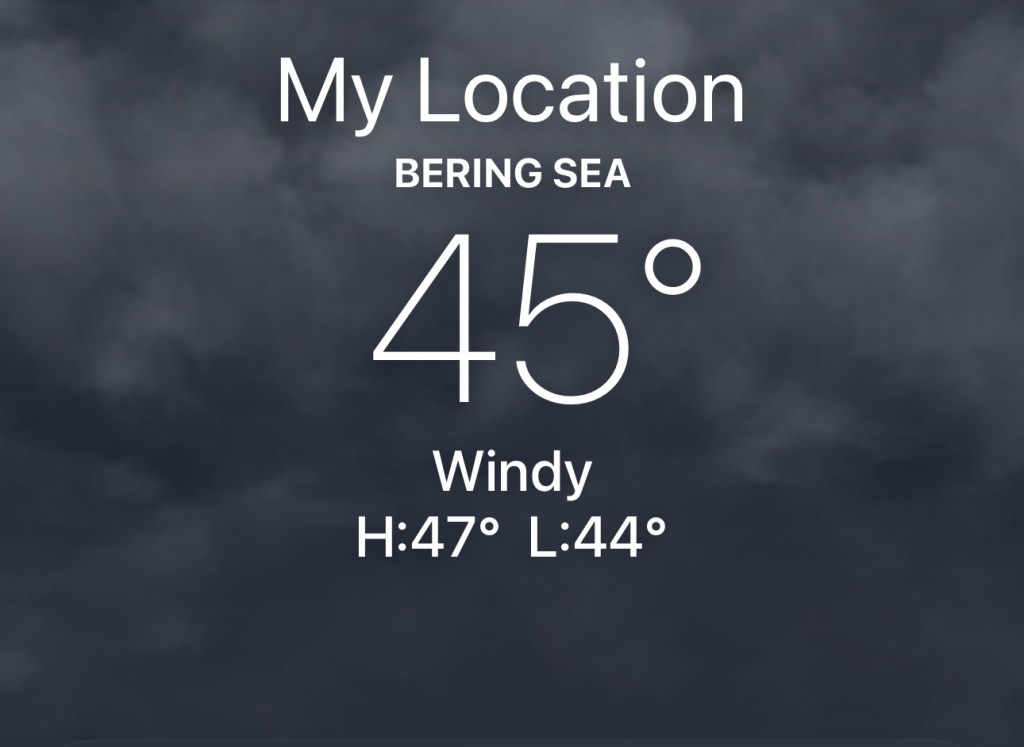
The Bering Sea is one of the most dangerous bodies of water in the world. There are three main reasons for this; shallow depth, volatile weather, and extremely cold sea temperatures. Water temperatures on the surface average from 34° F (1° C) in the north to 41° F (5° C) in the south. The period without frosts lasts for about 80 days in the northern part of the sea, where snow is common even in the summer and maximum temperatures are only 68° F (20° C). The depths average 35 fathoms (about 200′) which means the waves are shorter and pack more power than deep sea waves.
WE&P by:EZorrillaMc.
 Travel in Life
You must be logged in to post a comment.